

USDA Expands Focus on Program Integrity Across All Nutrition Programs
WASHINGTON, March 29, 2018 – As part of Agriculture Secretary Perdue’s strategic goal of ensuring that our programs are delivered efficiently, effectively and with integrity, the U.S. Department of Agriculture’s (USDA) Food and Nutrition Service (FNS) announced an enhanced focus on program integrity today, that will include renewed attention on transparency, payment accuracy, fraud and waste prevention, and improved quality control.
“Where protection of taxpayer dollars is concerned – the job is never done,” said Acting Deputy Under Secretary for USDA Food, Nutrition and Consumer Services, Brandon Lipps. “Today we are renewing our commitment to ensuring that our nutrition programs are run as effectively and efficiently as possible; increasing program integrity while maintaining the nutrition safety net for those truly in need.”
To kick-off this renewed commitment, Acting Deputy Under Secretary Lipps announced today his intention to create a new position of Chief Integrity Officer to manage oversight, improvements, and overall integrity strategy. This position will be located in the Office of the Administrator at FNS and will be tasked with overseeing integrity initiatives in all 15 federal feeding programs administered by FNS.
In addition, FNS has initiated an independent, third-party review of its integrity efforts across the agency’s nutrition programs. This comprehensive review will support the identification of improvements to the process currently in place, as well as explore the implementation of promising practices across government and the private sector.
“Integrity is essential to meeting the mission of all FNS nutrition programs, now and into the future. we will continue to improve operations and outcomes in close collaboration with its state and local partners to combat waste, fraud, and abuse and best serve our participants and American taxpayers,” said Lipps.
USDA’s Food and Nutrition Service (FNS) administers 15 nutrition assistance programs, including the National School Lunch and School Breakfast programs, the Child and Adult Care Food Program, the Summer Food Service Program, the Special Supplemental Nutrition Program for Women, Infants and Children, and the Supplemental Nutrition Assistance Program, which together comprise America’s nutrition safety net.
#
USDA is an equal opportunity provider, employer and lender.
iBites Podcast Episode 03 – CACFP – Institute of Child Nutrition
Welcome to iBites! The ICN podcast.
Our host, Dr. Lewanda Morse, discusses the Child and Adult Care Food Program with Lutina Cochran, Education and Training Specialist at ICN.
Podcast: Play in new window | Download
Subscribe with: Apple Podcasts | Spotify | Android | RSS | More
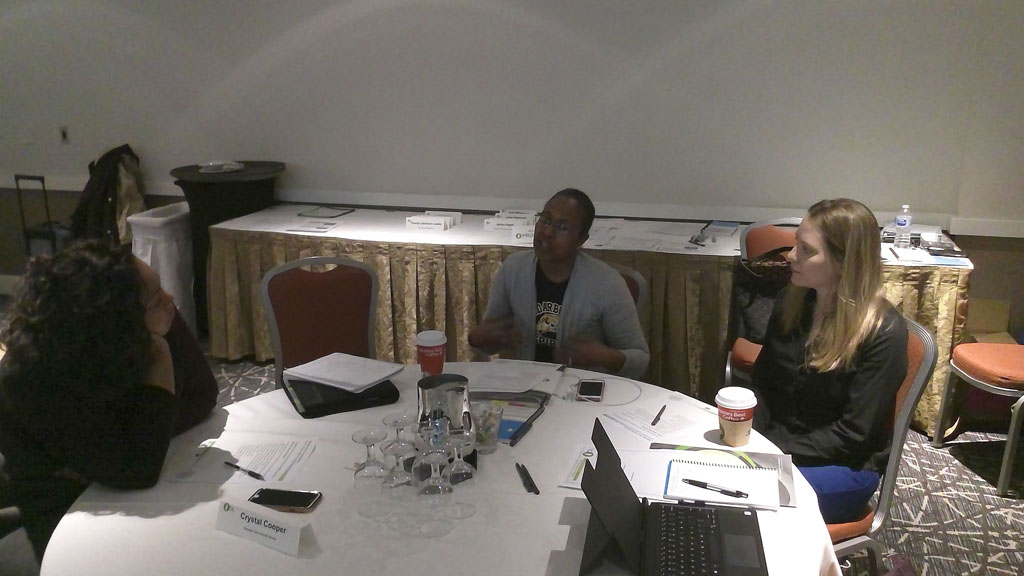
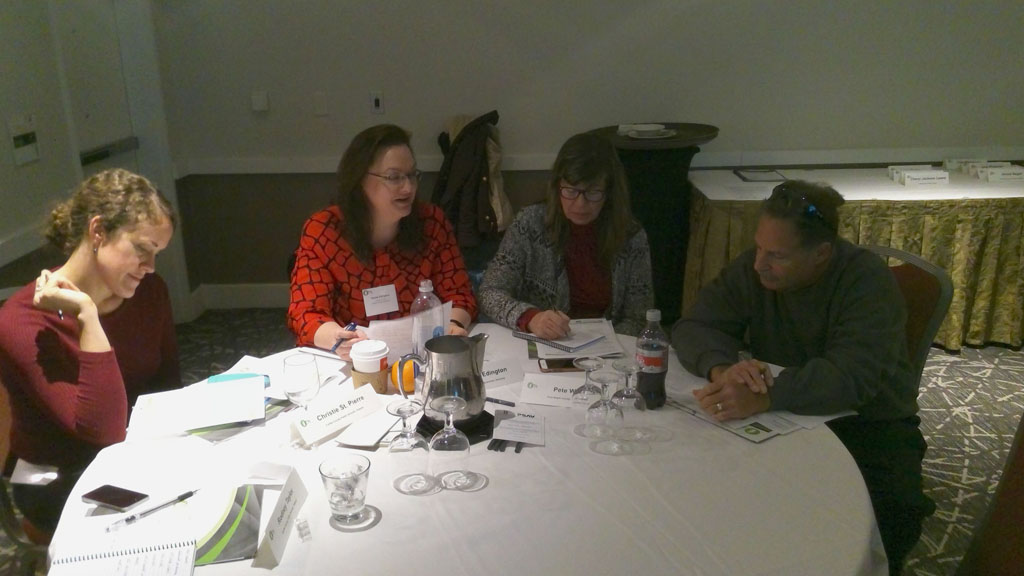
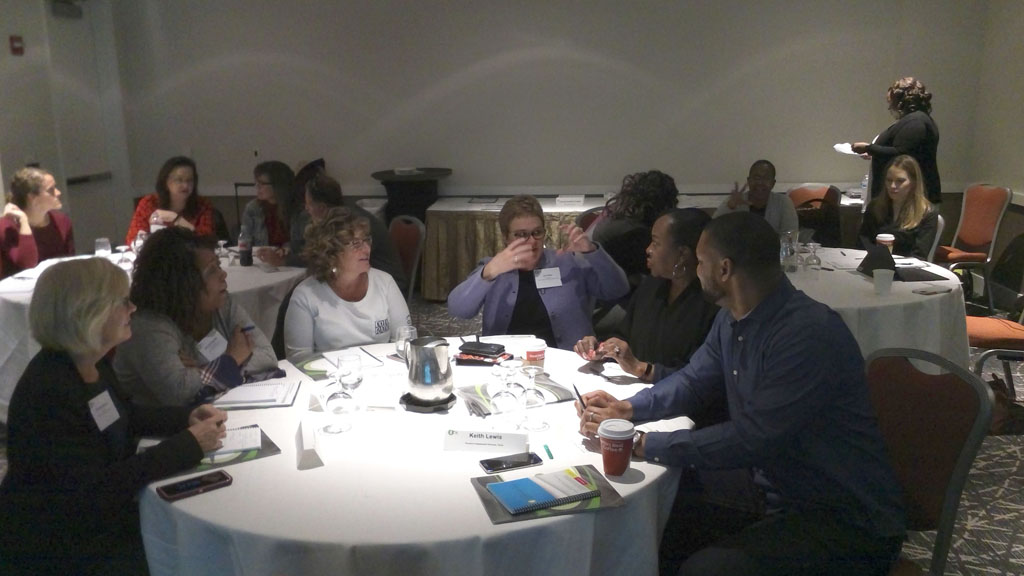
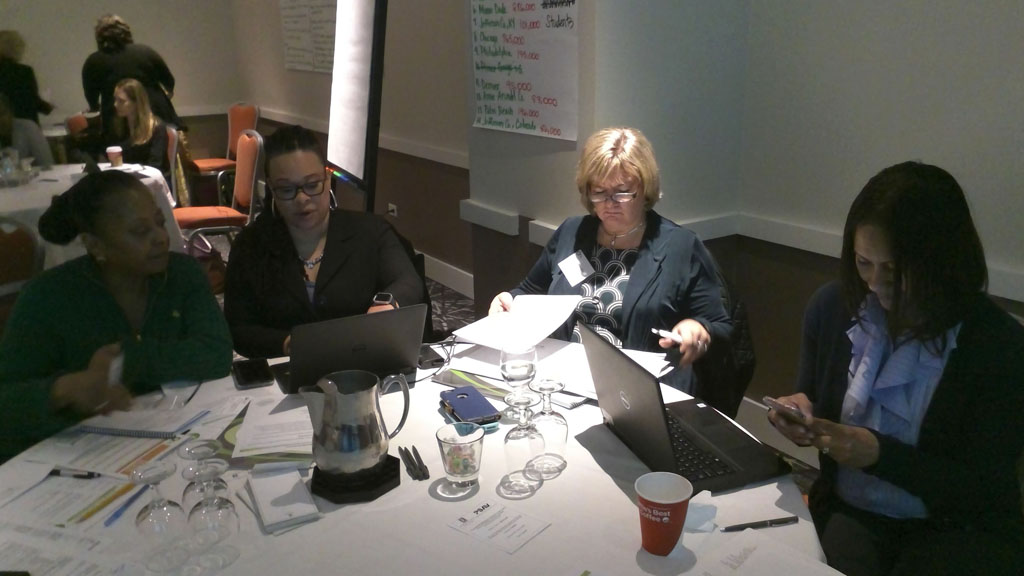
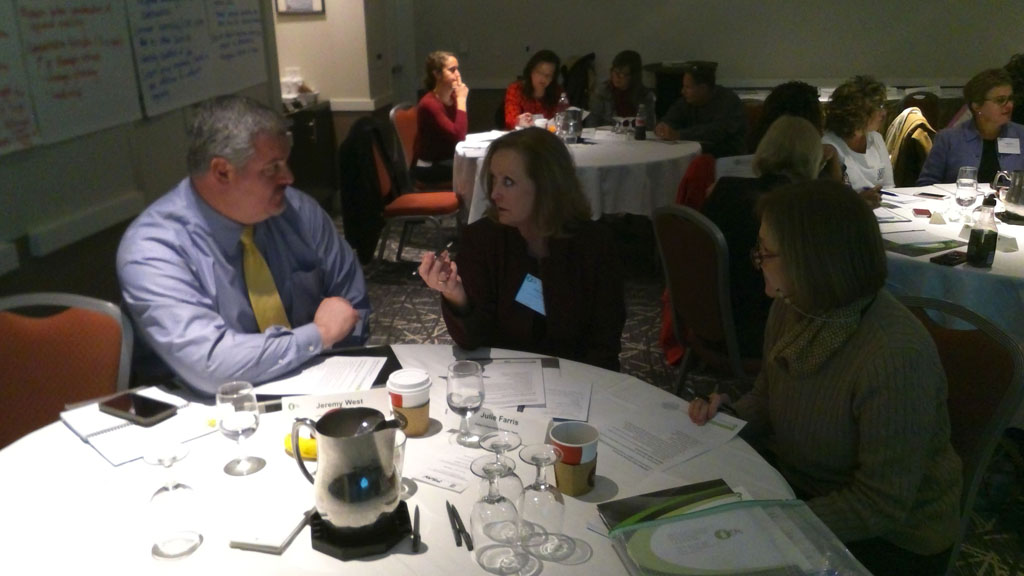
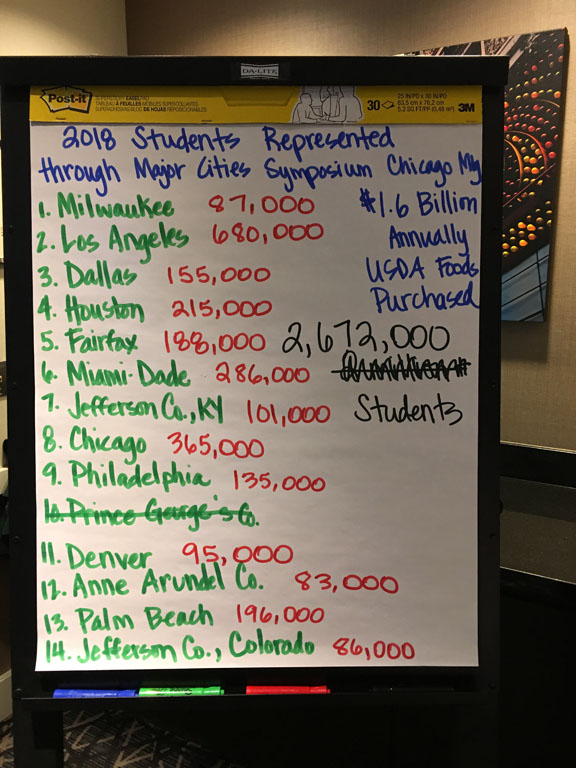
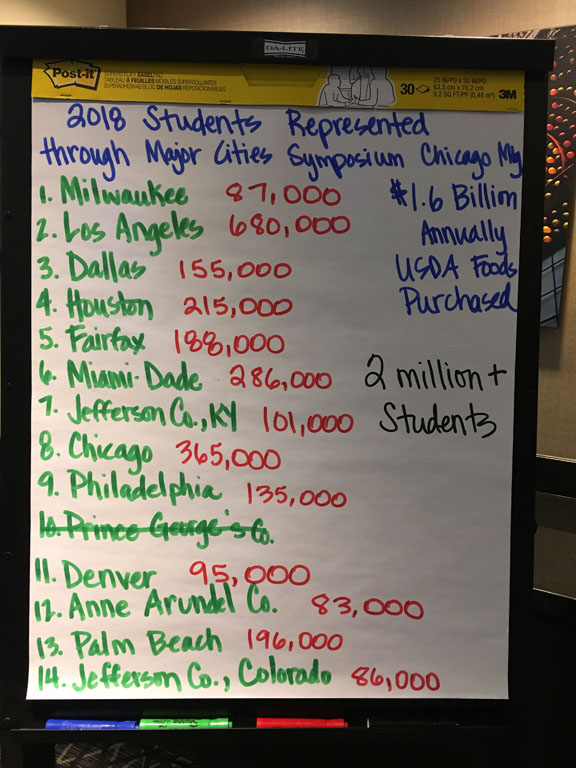
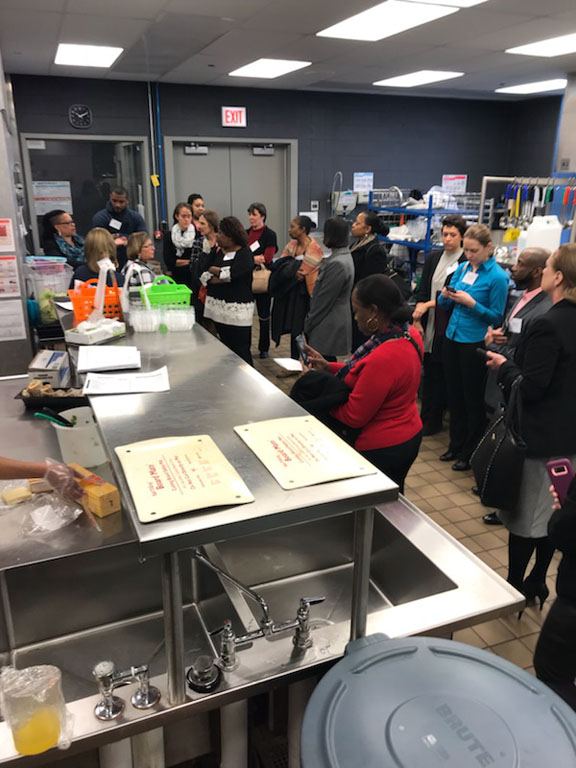
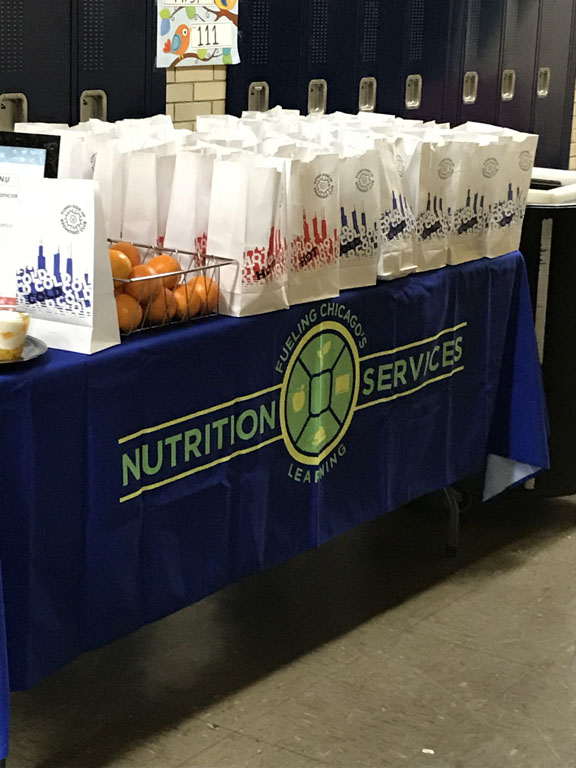
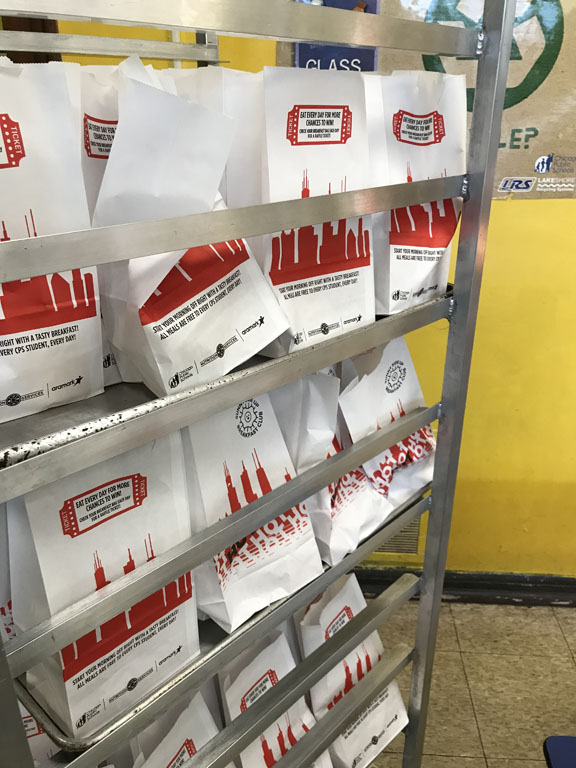
Major Cities Training 2018, Chicago, IL – Institute of Child Nutrition
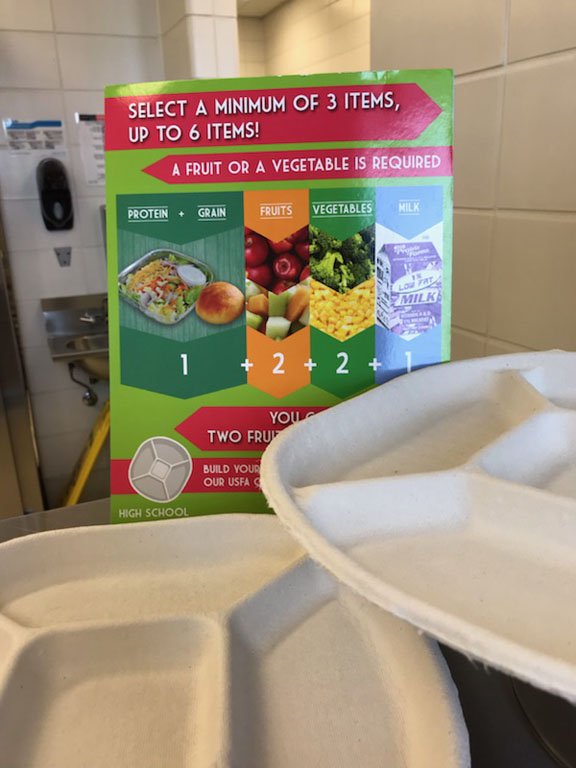
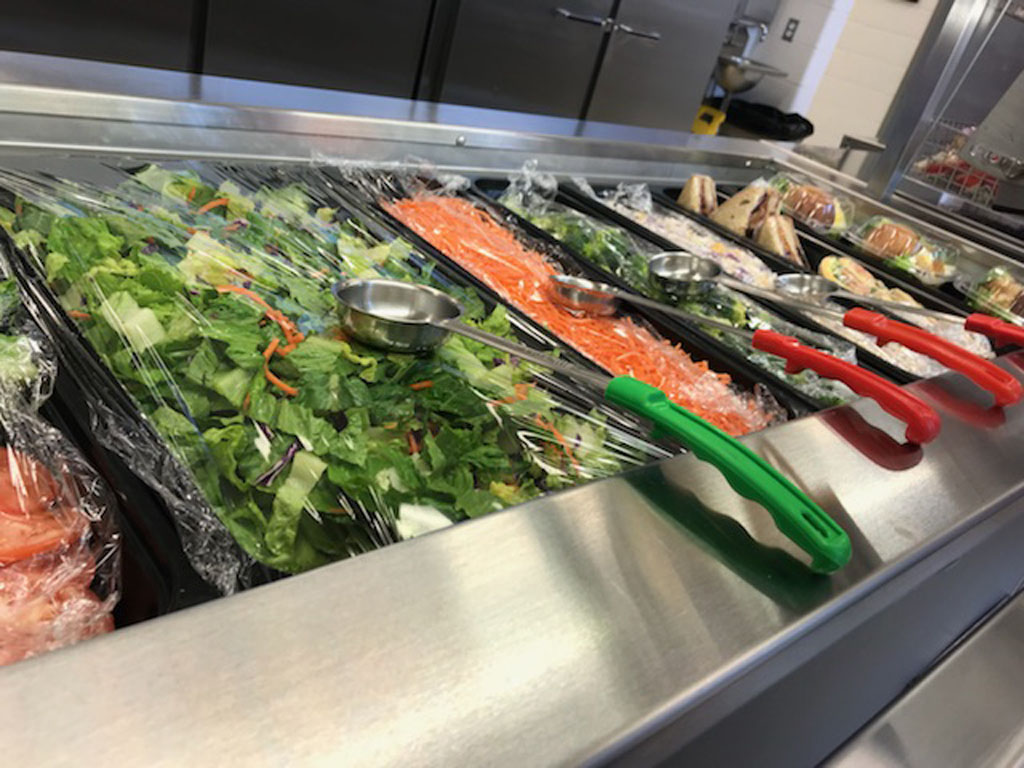
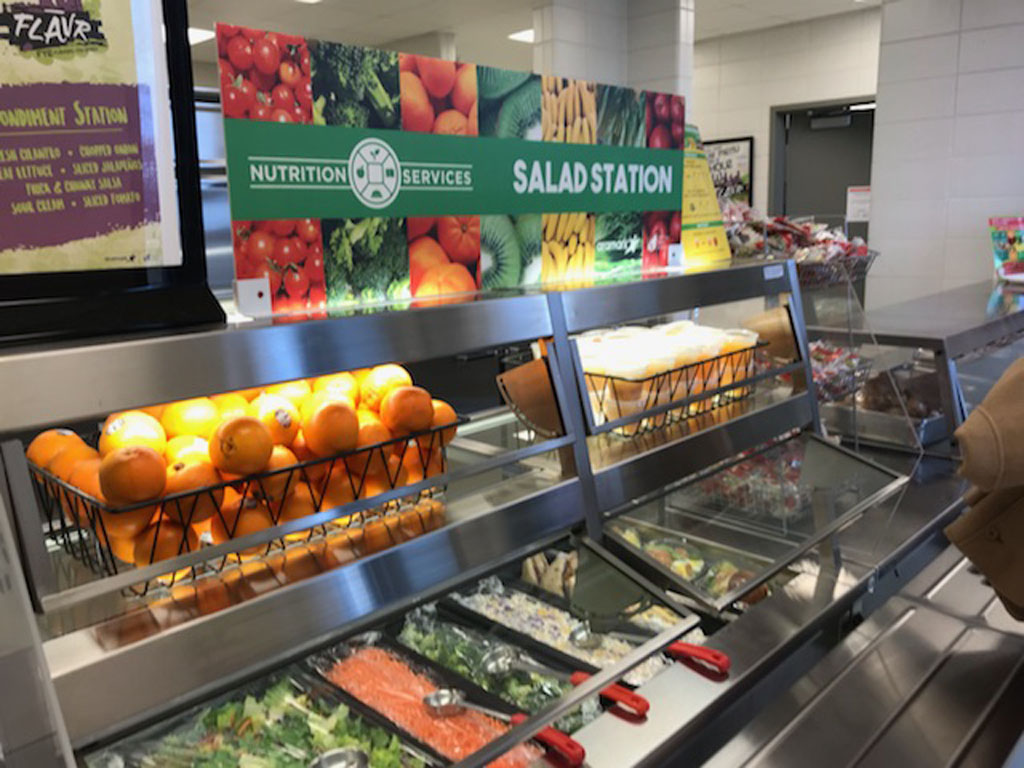
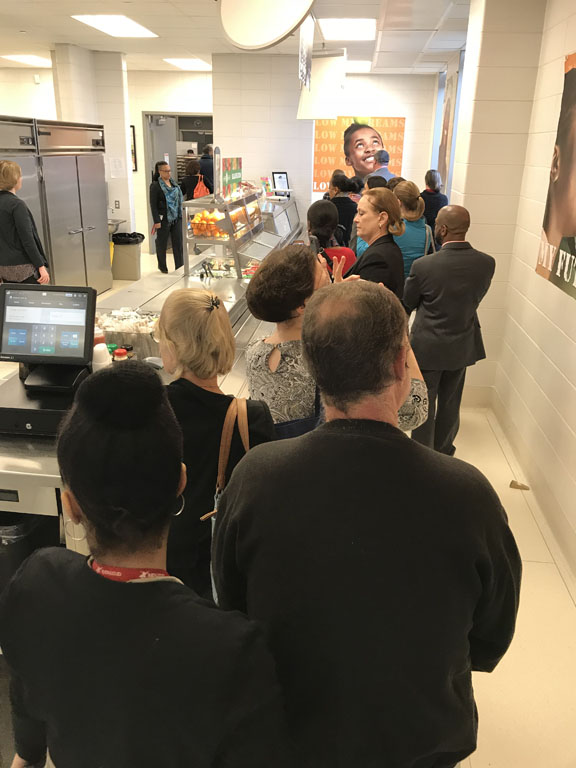
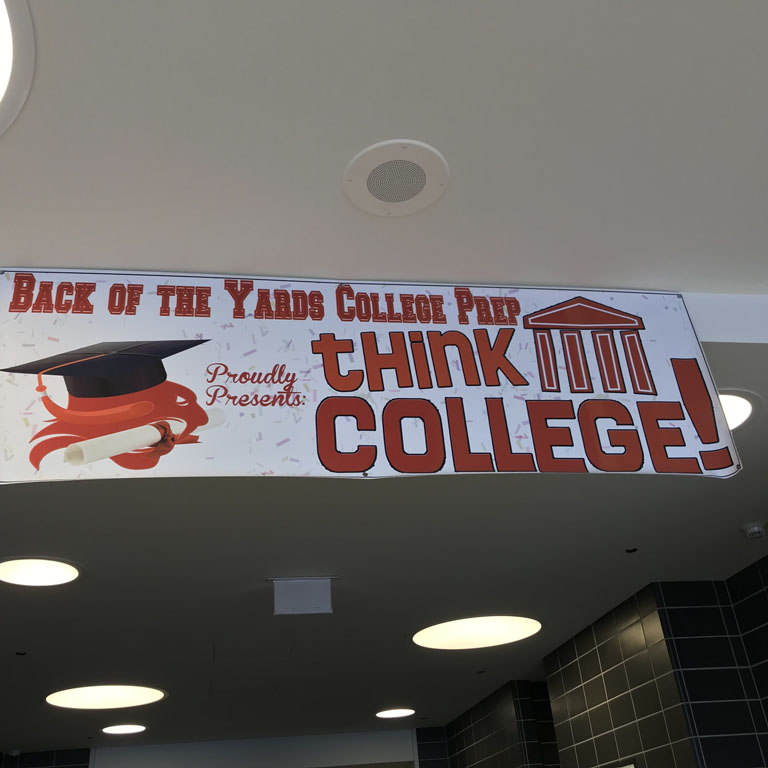
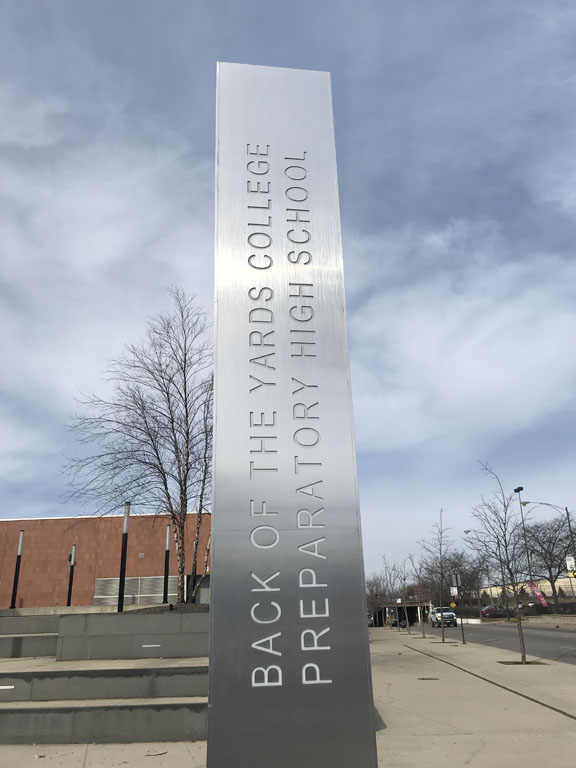
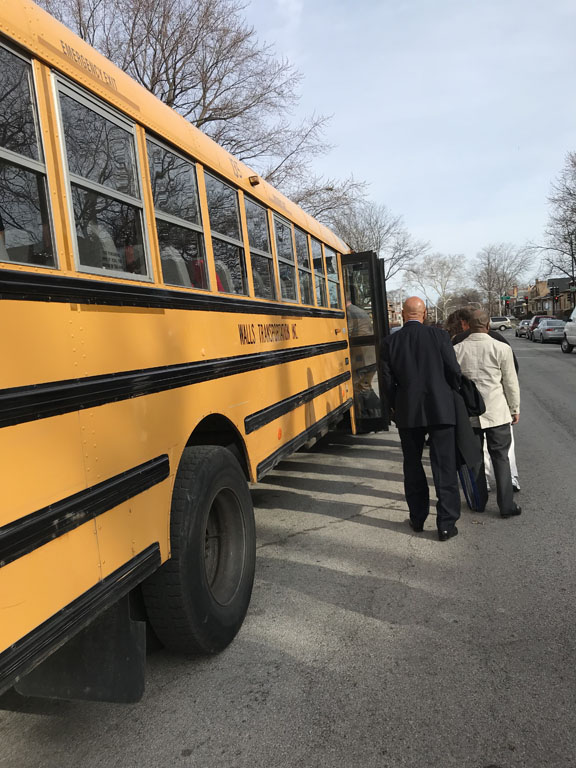
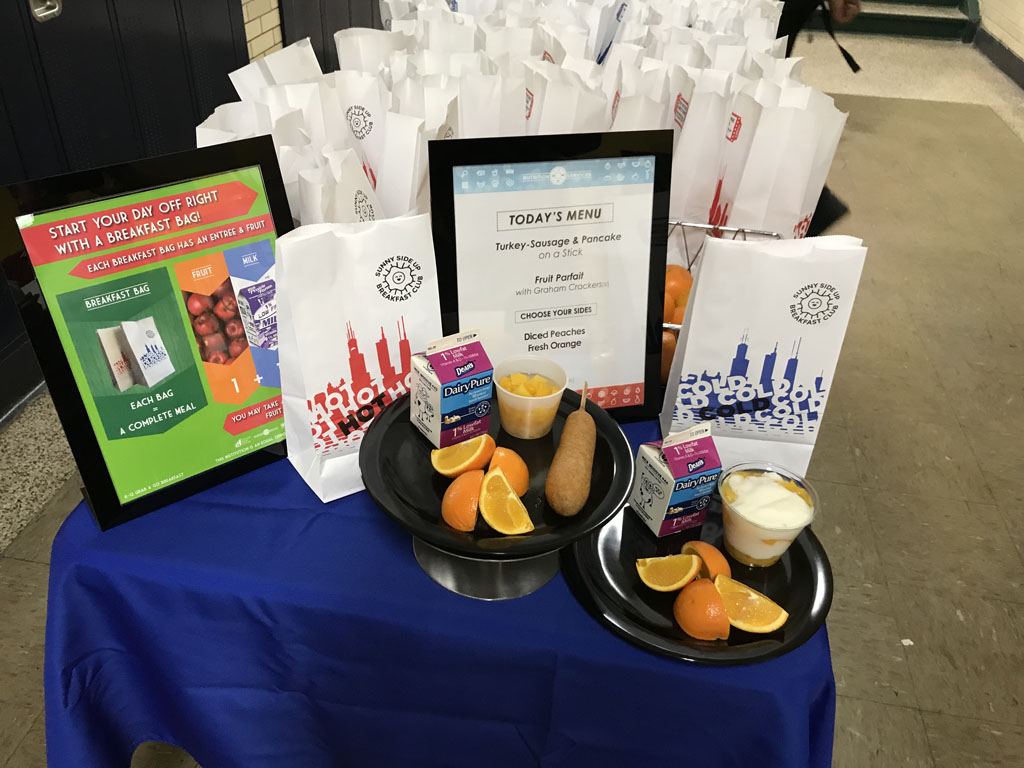
Photo gallery from the 2018 Major Cities Training being held in Chicago, IL.
(click the image to enlarge)




USDA Announces More Local Control for School Meal Operations
WASHINGTON, March 5, 2018 – U.S. Department of Agriculture (USDA) Deputy Secretary Steve Censky today announced two new efforts to provide states and school districts with additional flexibility and support to operate more efficient school meal programs. Censky made the announcement during a speech at the School Nutrition Association Legislative Action Conference in Washington, D.C.
Child Nutrition Hiring Flexibility Rule
In 2015, USDA established education and training requirements for nutrition professionals as part of the Healthy, Hunger-Free Kids Act of 2010. While this strengthened many school meal programs, some small school districts faced challenges finding qualified applicants to direct their local food service operation. Today’s proposal would provide much-needed relief for school districts with less than 2,500 students, allowing them more flexibility in the hiring of new school nutrition program directors.
“Small and rural school districts will no longer have to overlook qualified food service professionals because of one-size-fits-all standards that don’t meet their needs,” said Censky. “We trust our local partners to hire talented school nutrition program directors who will manage the meal service in a way that protects the health and well-being of students.”
USDA is providing a 60-day public comment period and will then develop a final rule that responds to the needs of partners and stakeholders.
Child Nutrition Food Crediting Request for Information
To support states’ efforts to improve program integrity, USDA also rolled out a suite of customizable resources to help local school districts improve the accuracy of their school meal application processes. These resources include support for online applications, evidenced-based materials, and best practices to simplify the process for families and ensure that eligible children receive free and reduced-priced meals.
“USDA’s goal to do right and feed everyone starts with our children,” said Censky. “We are committed to giving states and school districts more tools and options to build a bright, self-sufficient future for America’s children through well-managed school meal programs.”
As part of this package, USDA is offering guidance to help schools utilize its award-winning, open-source online school meal application model. USDA developed the application with input from local food service professionals. The customer-friendly design of the model is intended to increase the integrity of the application process by reducing common mistakes families make when applying for free or reduced-priced school meals.
“These tools are the benchmark for future innovation and give schools 21st century resources and strategies to run efficient food service operations, now and into the future,” Censky said. “Schools can ensure the proper use of funds for feeding students in need, protecting the taxpayer dollar through high integrity programs.”
USDA invites software developers in private industry to join schools in delivering customer service by helping them tailor their own applications.
Today’s announcement is the latest in a series of recent USDA actions to expand flexibility and ease challenges for partners and stakeholders who help feed our nation’s children. Other actions include:
- Publishing the School Meal Flexibility Rule, which provides local food service professionals the flexibility they need to serve wholesome, nutritious, and tasty meals in schools across the nation.
- Releasing “The Food Buying Guide,” a mobile app that puts critical information at the fingertips of food service professionals and makes it easier for them to plan wholesome, nutritious, and tasty school meals.
- Selecting Kansas State University to direct the Center for Food Safety in Child Nutrition Programs, which will help improve food safety across all of USDA’s child nutrition programs.
- Inviting the public to submit ideas on food crediting, the system that defines how each food item contributes to meal requirements under the National School Lunch Program and other federal child nutrition programs.
About 100,000 schools and institutions feed 30 million children through the National School Lunch Program and nearly 15 million children through the School Breakfast Program. Many of these children receive their meals at no cost or for a reduced price according to income-based eligibility.
USDA’s Food and Nutrition Service (FNS) administers 15 nutrition assistance programs, including the National School Lunch and School Breakfast programs, the Child and Adult Care Food Program, the Summer Food Service Program, the Special Supplemental Nutrition Program for Women, Infants and Children, and the Supplemental Nutrition Assistance Program, which together comprise America’s nutrition safety net.
#
USDA is an equal opportunity provider, employer, and lender.
Powered by WPeMatico
USDA and HHS Announce New Step Toward Added Transparency in Development of 2020-2025 Dietary Guidelines
WASHINGTON, Feb. 26, 2018 – The U.S. Department of Agriculture (USDA) and U.S. Department of Health and Human Services (HHS) today announced a new step in the Dietary Guidelines for Americans (DGA) development process. For the first time, the departments will seek public comments on the proposed priority topics and supporting scientific questions that will guide the development of the upcoming 2020-2025 edition of the DGA. The public may submit comments through the Federal Register; the comment period will be open from Feb. 28, 2018 to March 30, 2018. The topics, supporting scientific questions, and link to submit public comments will be available at DietaryGuidelines.gov.
The Dietary Guidelines for Americans serves as the cornerstone of federal nutrition programs and policies. This new public comment stage at the beginning of the DGA development process helps maintain the integrity of the process and ensure transparency in communicating the topics that meet the priorities of federal nutrition programs. This new approach allows for more public participation over this multiyear development process. It also improves customer service by being more responsive to stakeholder recommendations and feedback.
“The American taxpayer is an essential customer – indeed, a shareholder,” said Brandon Lipps, Acting Deputy Under Secretary for the Food, Nutrition, and Consumer Services at USDA, the administrative lead for the 2020-2025 DGA. “We’re proud to be taking this important step forward towards greater transparency, and ensuring that the American public’s voice is heard throughout this process.”
USDA and HHS are proposing a life stage approach for this edition of the DGA, focusing on priority scientific questions from birth through older adulthood. The 2014 Farm Bill mandated that, starting with the 2020-2025 edition, the DGA provides guidance for women who are pregnant, as well as infants and toddlers from birth to 24 months. In addition to a focus on life stages, the topics and supporting questions for public comment reflect a continued focus on patterns of what we eat and drink as a whole, on average and over time, not on individual foods or food groups.
“We know that good nutrition together with physical activity can help decrease Americans’ risk of developing serious health conditions across the life span,” said Don Wright, MD, MPH, Deputy Assistant Secretary for Health at HHS. “The Dietary Guidelines for Americans help support healthy choices at home, school, work, and in the community. That’s why we are encouraging the public and stakeholders in nutrition to submit comments up front to help inform the next edition of the guidelines.”
The 2020-2025 DGA topics which USDA and HHS propose are based on four criteria:
- Relevance – the topic is within the scope of the DGA and its focus on food-based recommendations, not clinical guidelines for medical treatment;
- Importance – the topic has new, relevant data and represents an area of substantial public health concern, uncertainty, and/or knowledge gap;
- Potential federal impact – there is a probability that guidance on the topic would inform federal food and nutrition policies and programs; and
- Avoiding duplication – the topic is not currently addressed through existing evidence-based federal guidance (other than the Dietary Guidelines).
USDA and HHS will consider all public comments submitted in finalizing the list of topics and supporting questions to be examined in the development of the 2020-2025 DGA.
After finalizing the topics and supporting questions, USDA and HHS will post a public call for the Dietary Guidelines Advisory Committee nominations. The areas of expertise needed will be based on the final topics and supporting scientific questions, resulting in a coordinated and efficient scientific review.
For information and links, go to DietaryGuidelines.gov.
# # #
The Dietary Guidelines for Americans (DGA) serves as the cornerstone of federal nutrition programs and policies, providing food-based recommendations to help prevent diet-related chronic diseases and promote overall health. According to the National Nutrition Monitoring and Related Research Act of 1990, the DGA is mandated to reflect the preponderance of scientific evidence, and is published jointly by USDA and HHS every five years.
USDA’s Food and Nutrition Service administers 15 nutrition assistance programs. In addition to the Supplemental Nutrition Assistance Program, these programs include Special Supplemental Nutrition Program for Women, Infants and Children, the National School Lunch Program, and the Summer Food Service Program which together comprise America’s nutrition safety net. For more information, visit www.fns.usda.gov.
#
USDA is an equal opportunity provider, employer, and lender.
Powered by WPeMatico
USDA Seeks Ideas to Help SNAP Participants Become Independent
WASHINGTON, Feb. 22, 2018 — The U.S. Department of Agriculture today announced that it is looking for innovative ideas to promote work and self-sufficiency among able-bodied adults participating in the department’s Supplemental Nutrition Assistance Program (SNAP).
The public is invited to provide input through a notice in the Federal Register. Comments can be submitted on the web through the Federal Register. USDA intends to use the input received to find improvements to SNAP policy and related services that can best assist SNAP participants return to self-sufficiency.
“Long-term dependency has never been part of the American dream,” said U.S. Agriculture Secretary Sonny Perdue. “USDA’s goal is to move individuals and families from SNAP back to the workforce as the best long-term solution to poverty. Everyone who receives SNAP deserves an opportunity to become self-sufficient and build a productive, independent life.”
Federal law limits the amount of time an able-bodied adult without dependents (ABAWD) can receive SNAP benefits to three months in a 36-month period, unless the individual is working and/or participating in a work program half-time or more, or participating in workfare. The law exempts individuals from the time limit for several reasons, including age, unfitness for work, or having a dependent child. The law also provides state agencies with flexibility to request a waiver of this time limit if unemployment is high or the area does not have a sufficient number of jobs to provide employment.
“Too many states have asked to waive work requirements, abdicating their responsibility to move participants to self-sufficiency. Past decisions may have been the easy short-term choice, but USDA policies must change if they contribute to a long-term failure for many SNAP participants and their families,” Perdue said.
The President’s Fiscal Year 2019 Budget Proposal, released on Feb. 12, proposes to limit waivers of the time limit for ABAWDs to counties with 10 percent unemployment over 12 months.
“The SNAP safety net must be there for those unable to work due to disability or another legitimate reason,” Perdue said. “But for the able-bodied, we must reduce barriers to work, and hold both individuals and states accountable for participants getting and keeping jobs.”
Starting tomorrow, the public is invited to submit comments or ideas on helping able-bodied SNAP participants find work and become self-sufficient through federalregister.gov. The comment period will be open through April 9, 2018.
USDA’s Food and Nutrition Service administers 15 nutrition assistance programs. In addition to the Supplemental Nutrition Assistance Program, these programs include Special Supplemental Nutrition Program for Women, Infants and Children, the National School Lunch Program, and the Summer Food Service Program which together comprise America’s nutrition safety net. For more information, visit www.fns.usda.gov.
#
USDA is an equal opportunity provider, employer, and lender.
Powered by WPeMatico