

Simplifying Service, Bus Delivery, Weekend Adjustments Alter District Food Plan Mitchell Republic, March 23, 2020, author Erik Kaufman
COVID-19 Scare Prompts Minnesota Schools to Get Creative in Feeding Kids Star Tribune, March 29, 2020, author James Walsh
Kettering Backpack Program Keeps Feeding Students During Outbreak Dayton Daily News, April 6, 2020, author Wayne Baker.
Mini-Cassia School Districts Launch Free ‘Grab and Go’ Brown Bag Meals for Children After COVID-19 Closures Magic Valley, March 19, 2020, author Laurie Welch.
A Meeting of the Summer Food Service Program Exploratory Task Force
The Summer Food Service Program Exploratory Task Force met on February 19-20, 2020 at the Institute of Child Nutrition.
Purpose:
To provide recommendations to the ICN on the development of a series of educational resources (e.g., fact sheets, tip sheets, resource guides, webinars, videos, and/or posters) that further educate Summer Food Service Programs on best practices that improve their program implementation.
Background:
The SFSP ensures that low-income children continue to receive nutritious meals when school is not in session. SFSPs rely on innovation and collaboration to reach children who need good nutrition when school is out of session, including support in meal preparation and service.
There have been several innovative SFSP resources developed by FNS and ICN to support SFSP operators. While these resources/trainings have been helpful and effective for SFSP operators, there are still training, educational resource, and technical assistance gaps identified by FNS on topics such as SFSP meal pattern requirements, menu planning, meal service, food safety, and offer versus serve requirements. FNS and ICN propose to expand ICN’s SFSP resource offerings by developing additional resources to address these areas in need of educational resources, training and support.
Project Description:
The goal of the SFSP resource development project is to further support SFPS operators by developing a series of resources. Topics for these resources may include:
- Meal Pattern Requirements
- Planning Healthy Summer Meals
- Quality Meal Service
- Food Safety
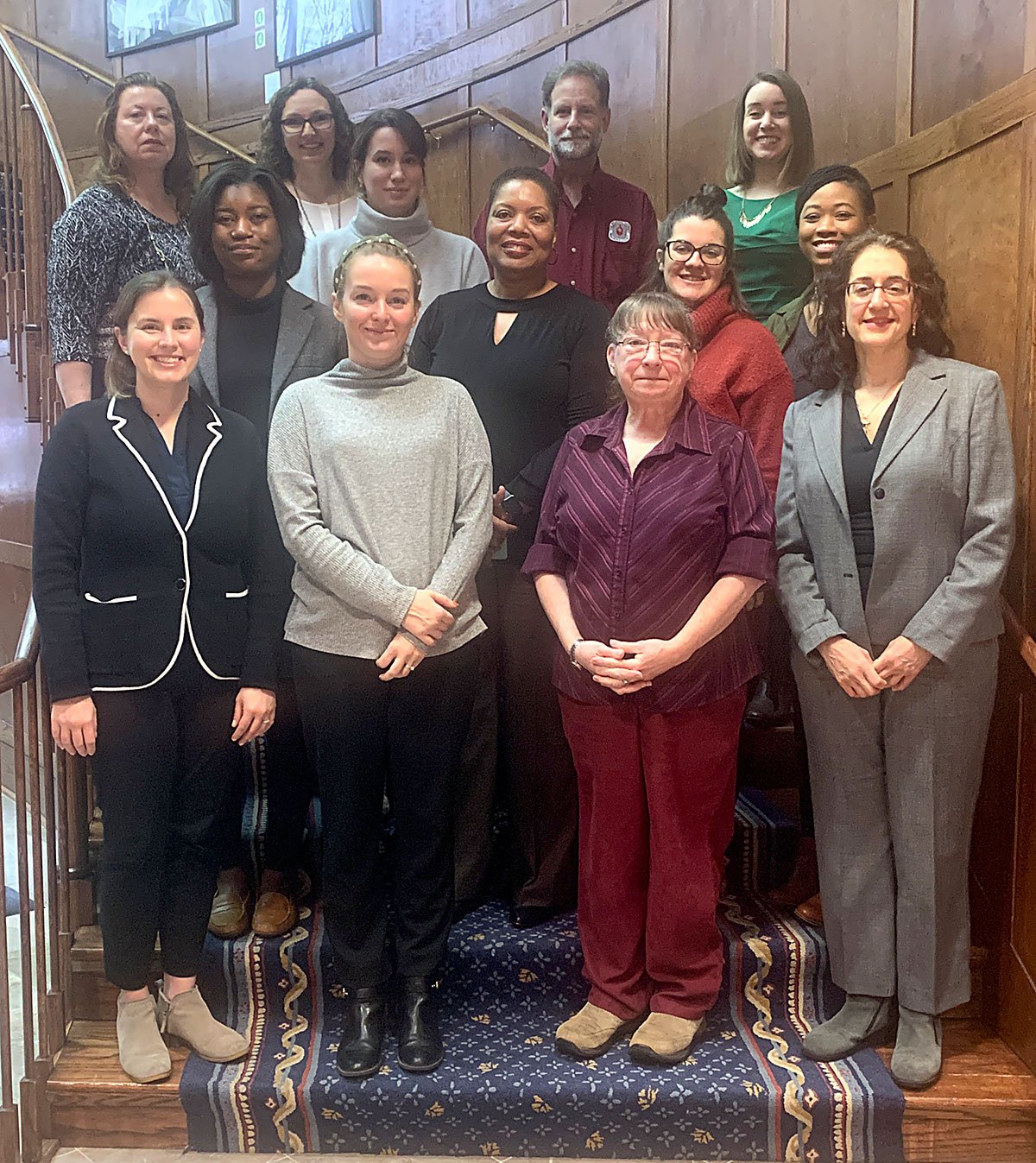
Row 1 (L to R)
Erin Hoffman: North Carolina Dept of Public Instruction
Clarissa Hayes: Food Research and Action Center
Pat Richardson: ICN
Mydina Thabet: USDA FNS
Row 2
Kenya Pennington: USDA FNS
Cynthia Ervin: North Carolina Dept of Public Instruction
Elyse Lenaburg: ICN
Janae Owens: ICN
Row 3
Julianna Roberts: County Office of Education, Butte, California
Maci Flautt: ICN
Catherine Nicholson: Texas Hunger Initiative
Pete Wood: Palm Beach County School District, FL
Liz Dixon: ICN
Not Pictured: Carlee McIntosh, Petersburg School District, Alaska
iBites Podcast Episode 19 – Top 10 Unknowns of CACFP
Welcome to iBites! The ICN podcast.
This episode of iBites continues the institute’s focus on the Child and Adult Care Food Program. Host Dr. Lewanda Morse is joined by ICN ET Specialists Lutina Cochran and Heather Burkhead.
Podcast: Play in new window | Download
Subscribe with: Apple Podcasts | Spotify | Android | RSS | More